Communication is one of the most essential skills we can support in students with autism and other disabilities — and it’s also one of the most impactful. For many of our students, communication goes far beyond spoken words. It’s about giving them a voice — a way to express their needs, share their feelings, and make choices that give them control over their day.
Why Communication Matters for Every Student
Whether a student uses verbal language, sign language, picture exchange systems (PECS), AAC devices, or visual supports, communication is the foundation for independence, emotional regulation, and self-advocacy. When students have a way to express themselves, they’re less likely to feel frustrated, more likely to engage, and more empowered to participate in their daily routines.
Communication isn’t just about asking for things — it’s about building understanding and connection. It helps students tell us when they’re hurt, what they want, how they feel, and what they need. Most importantly, it helps them navigate the world around them with confidence and self-regulation.
Teaching Communication and Self-Regulation Through Everyday Choices
One of the most effective ways to build communication and self-regulation skills is by embedding choice-making opportunities throughout the day. Choice-making is more than a classroom activity — it’s a critical life skill. Here’s how we can integrate it into daily routines:
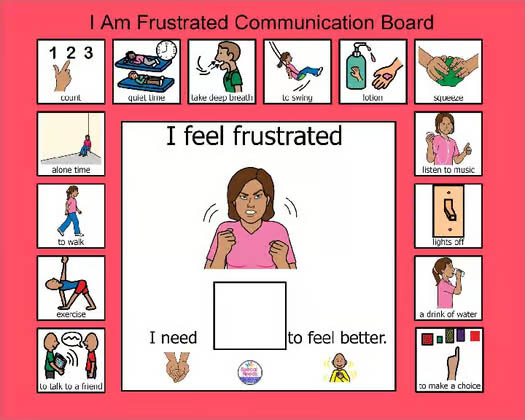
- When students are frustrated: Instead of behaviors becoming their form of communication, we can teach them to use words, visuals, or gestures to express how they feel — “I need a break,” “I’m mad,” or “I need help.”
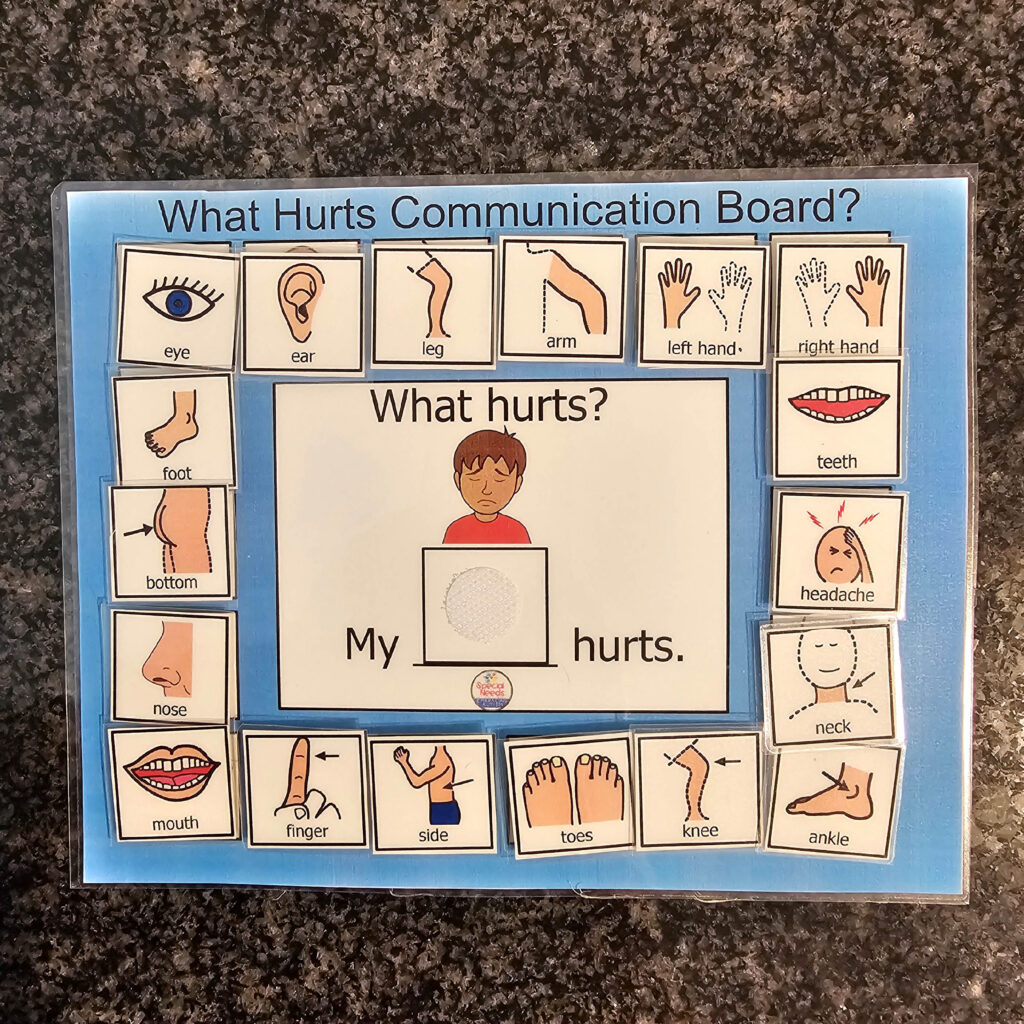
- When they’re hurt: Giving students the tools to say “I’m hurt,” “It hurts here,” or “I need a Band-Aid” builds safety and trust.
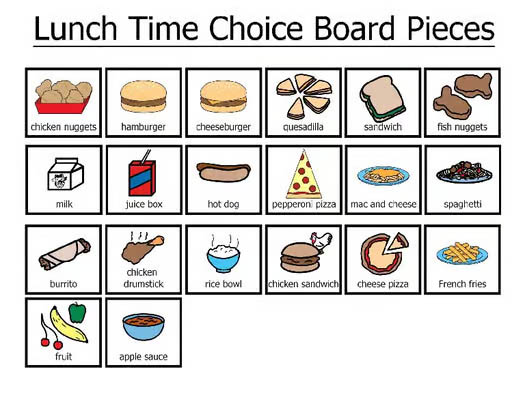
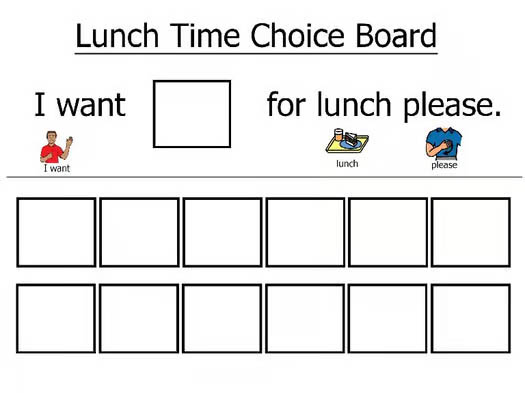
- During meals and snacks: Offering visual or verbal choices — “Do you want pizza or a sandwich?” “Do you want apple slices or crackers?” — teaches independence and helps students feel in control of their environment.
- Throughout the day: Even simple choices like “Do you want the red marker or the blue one?” or “Do you want to work at the table or on the carpet?” strengthen decision-making skills, build confidence, and promote emotional regulation.
These moments might seem small, but they have a big impact. When students learn they have a voice and that their choices matter, their confidence grows — and so does their ability to self-regulate and engage in learning.
Why Choice-Making Is So Powerful
For many students with communication challenges, being able to make choices:
- Reduces frustration and challenging behaviors by providing a meaningful way to express preferences.
- Promotes self-advocacy and self-regulation by teaching students that their voice matters and their opinions are valued.
- Builds independence by preparing them to make decisions beyond the classroom setting.
- Strengthens relationships between students and educators by creating a culture of respect, trust, and understanding.
Free Communication Tools to Get You Started
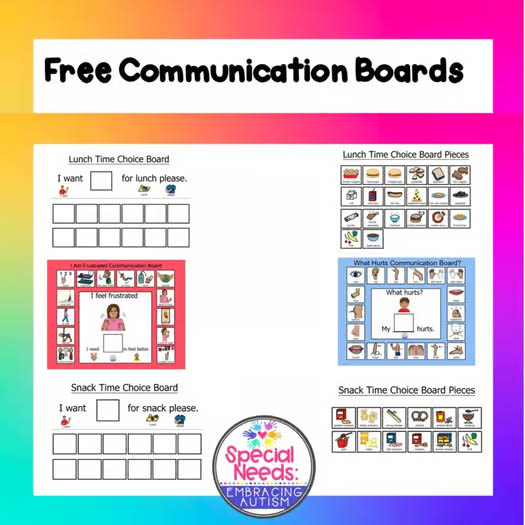
To help make this easier in your classroom, I’ve created free communication resources that you can start using right away! These tools include visual supports and choice-making materials designed to help students express themselves in a variety of situations — whether they’re communicating their feelings, making lunch choices, or expressing what they need.
👉 You can download my free communication resources here: Free Communication Tools »
💬 Bottom line: Communication is the key to connection, and choice is the bridge that empowers students to use their voices. By creating opportunities for students to make choices — big and small — we’re not just teaching them how to communicate. We’re teaching them how to regulate their emotions, advocate for themselves, and understand that their words matter, their feelings matter, and they matter.

