
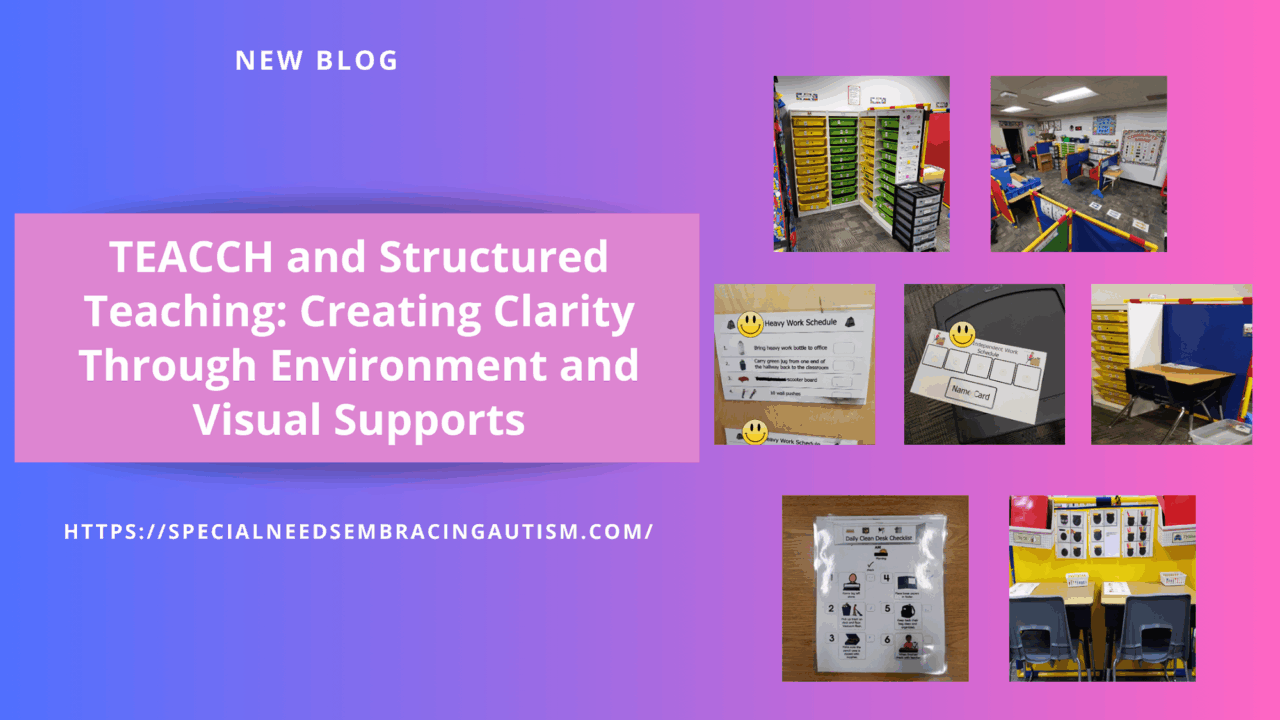
- TEACCH program focuses on structured teaching for autism support.
- Structured teaching helps individuals with autism develop independence.
- Visual supports and organized environments are key components.
- TEACCH approach improves overall quality of life for individuals with autism.
- Caregivers and educators can benefit from implementing structured teaching methods.
What Are TEACCH and Structured Teaching?
TEACCH, or Treatment and Education of Autistic and related Communication handicapped Children, is a comprehensive approach to autism support. Developed at the University of North Carolina at Chapel Hill, TEACCH has become a leading methodology in autism education and support.
Origins and Philosophy of the TEACCH Methodology
The TEACCH methodology was developed in the 1970s by Dr. Eric Schopler and his colleagues. It is rooted in the understanding that individuals with autism have unique needs and strengths.
History and Development at UNC Chapel Hill
The TEACCH program was established at the University of North Carolina at Chapel Hill, where it has been continuously developed and refined. The program’s history is marked by a commitment to research-based practices and family-centered support.
Culture of Autism Perspective
TEACCH is guided by a “culture of autism” perspective, which recognizes that autism is a neurodevelopmental disorder that affects individuals in different ways. This perspective emphasizes the importance of understanding and respecting the individual’s experiences and needs.
Core Principles of Structured Teaching
Structured teaching is a core component of the TEACCH methodology. It involves creating a structured environment that supports the individual’s needs and promotes learning and independence.
Physical Organization
Physical organization is the foundation of Structured Teaching. Classrooms are designed with clearly defined areas dedicated to specific activities (e.g., a math station, reading nook, sensory break corner).
Boundaries can be created using furniture, rugs, tape on the floor, or visual signage. This physical structure minimizes distractions, makes transitions smoother, and helps students understand the purpose of each area without needing constant verbal reminders.
Clear physical organization also sets expectations: when a student enters a designated space, they know what kind of work or behavior is expected there.
Tip: Think of physical organization as “setting the stage” so students can act independently without needing to guess what comes next.


Schedules
Visual schedules are a hallmark of TEACCH and Structured Teaching. They provide a roadmap for the day in a clear, concrete way.
Schedules can vary based on the student’s developmental level—ranging from object schedules (e.g., a real object representing each activity) to picture-based or written schedules for more advanced learners.
Following a visual schedule promotes independence because students can navigate transitions without direct adult prompting. It also builds a sense of predictability, which is especially important for students who might experience anxiety around unknown or unexpected changes.
Tip: In addition to daily schedules, mini-schedules can be created for longer tasks or multi-step activities, like “writing a paragraph” or “completing a science experiment.”

This is a morning schedule for a student.

These are daily job schedules. This is a task analysis of what the steps are the students need to complete for their daily job.
Work Systems
A work system tells the student:
- What work to do
- How much work there is
- How to know they are finished
- What to do next
Work systems break assignments into manageable parts, often using visuals like numbered steps, color-coding, or matching systems. This method makes tasks feel more approachable and increases the likelihood that students will complete their work independently.
For academic tasks, this might mean setting up a folder with worksheets labeled “1,” “2,” and “3,” with a checklist for students to follow. The final step might be placing the completed work into a “finished” bin.
Work systems take the executive functioning burden off the student by providing an external structure that supports organization and task completion.
Tip: Over time, work systems can be faded and generalized to promote even greater independence.

This is a work system for a student in one area. The student will have their schedule on the desk in front of them. This work system uses numbers, they will match one to one, pull out the drawer, complete the task and then when they are finished place it in the finish bin on the right hand side. They will do the same for tasks two and three. A work system is done from left to right.

This is a higher level work system. The student has their schedule on the right. They have five activities and will match the picture on their schedule to the correct drawer. They will take out the task, bring it to their desk and then find their name on the drawers under their schedules, which is the finished basket.
Visual Structure
Visual structure refers to any visual elements added to a task or activity to clarify what needs to be done.
This might include:
- Highlighted or color-coded instructions
- Clearly labeled bins for different subjects or assignments
- Worksheets with boxes or borders separating sections
- Visual templates for writing assignments (e.g., paragraph frames)
Visual supports reduce the cognitive load on students, allowing them to focus more on the academic content rather than decoding the instructions. For students who struggle with reading comprehension, attention, or organization, visual structure can be the key to unlocking success.
Tip: Visual supports can also be personalized based on student preference—some students respond better to photos, while others prefer symbols or simple line drawings.


Example in Practice
Imagine a math lesson for a small group of students:
- The physical organization includes a designated math station with a table and math manipulatives.
- A visual schedule shows “Math → Break → Reading” with symbols or pictures.
- At the math station, a work system lays out the expectations:
- First: Complete 3 math problems from the worksheet (highlighted in yellow).
- Next: Bring the worksheet to the teacher to check.
- Last: Place the checked worksheet into the “Finished Work” bin.
- First: Complete 3 math problems from the worksheet (highlighted in yellow).
- Throughout the lesson, visual structure is incorporated:
- Problems on the worksheet are grouped in threes with bolded borders.
- A small visual reminder card on the desk shows the steps: “Work → Check → Finish Bin.”
- Problems on the worksheet are grouped in threes with bolded borders.
This layered approach helps students stay focused, reduces the need for verbal prompting, and builds pride in completing work independently.
Together, let’s raise awareness, build understanding, and embrace autism as we shape a more inclusive world!

